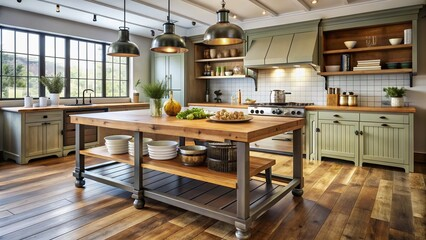
Tag: home renovation

Budget-Friendly Cabinet Refinishing Ideas That Look Expensive

Cabinet Refinishing

For a quick cabinet transformation, opt for a fresh coat of paint. Whether you go for Scandinavian-inspired textures or European museum-esque botanicals, this simple upgrade delivers big impact.

Crown molding is another easy way to update cabinets, and it’s perfect for renters who can’t install permanent options. Esther Ellard of Effortless Designs likes to add warm white LED strips for optimal food prep lighting. Visit San Jose Cabinet Refinishing for more information.

Paint

Cabinet painting is a quick and easy way to transform your kitchen. It allows you to align your cabinets with your desired aesthetic, making it a versatile option that can be used in almost any style of kitchen. It’s also a much more affordable alternative to full cabinet replacement, with the added bonus of being less disruptive.

For a smooth finish, it’s essential to prep your cabinets before you paint them. You’ll need to remove all hardware and wipe down cabinet surfaces with a degreaser to ensure they’re clean and ready for primer. Primer is a must in cabinet refinishing because it helps prevent future chipping and peeling, especially in high-traffic areas of the home. You’ll want to use a quality primer that is designed for high-traffic spaces and can stand up to moisture.

Before you apply your final coat of paint, consider using a clear topcoat to protect your cabinets from stains and water damage. This technique will give you a glossy surface that’s extremely easy to maintain. It’s ideal for busy kitchens because messes can be easily wiped away.

Another popular trend in cabinet refinishing is two-tone cabinets. This technique uses different colors for upper and lower cabinets to create a dramatic effect. It can be used in any style of kitchen, from minimalist to traditional. You can also experiment with different door styles to achieve the look you desire. Try sleek flat-front doors for a modern feel, raised panel doors for a classic aesthetic, or beadboard for a cozy farmhouse feel.

Stencil

Stenciling offers a sophisticated, contemporary alternative to traditional painting techniques. It creates visual interest, elevates kitchen surfaces and adds an artistic touch to cabinetry. The technique is easy to execute with the right materials and practice. It can be used on walls, doors, cabinets, furniture and even floors.

A stencil is a piece of paper, plastic, wood or metal with letters or a design cut out of it. It is used to reproduce the letters or design on a surface placed under it by applying paint, ink, or another pigment through the holes in the stencil. Paint or ink is applied to the stencil through islands (sections of the material with holes that allow color to reach the surface underneath) connected by bridges (narrow sections of the stencil that keep the paint from reaching the stencil’s edges).

Choosing the right base paint and application technique significantly impacts a stencil design’s durability. Latex and acrylic options are best for interior kitchens because of their easy cleanup and low odor. Oil based paints deliver superior durability, but require specific application techniques.

To achieve a quality result, it is important to tape the stencil and prepare the painting surface before applying the image. Painter’s tape helps prevent accidental bleed under the stencil and allows for precise positioning of the template. It is also important to select a stencil brush with natural bristles that can be easily cleaned and maintained. After dipping the brush into the paint, blot it on a stack of paper towels and then “pounce” the brush across the stencil to apply an even coat without over-saturating the bristles. This process can take a bit of time, but it is well worth the effort to achieve a stunning design.

Distressing

A popular refinishing technique that can make your cabinets look brand-new again is distressing. Distressing is a process that creates small chips, dents, and scratches on a finished surface to mimic wear and tear. The idea is to give the impression that the cabinetry has been well used and loved over time. This technique can be applied to stained or painted cabinetry, but it is best suited for solid wood (not MDF, veneer, or other manmade materials).

Distressing can include a number of different techniques:

Worm Hole

The worm hole distressing technique creates the appearance of small holes in the wood that look like they’ve been caused by insects or even woodworms. This type of distressed finish is often found on antique furniture and is a great way to create a more weathered and worn look for your kitchen cabinetry.

Rough Sawn

The rough sawn distressing technique involves sanding down the cabinetry’s edges to reveal some of the natural wood grain underneath. This is a popular way to add an organic touch to your kitchen and can work especially well with lighter wood finishes such as maple or birch.

Scratching

The scratching technique is a good choice for those that want to take their cabinetry refinishing to the next level. This is done by hand with a scraper, and it can be very subtle or a bit more noticeable depending on your preferences.

Mouser cabinetry offers a selection of pre-made distressed finishes to help you achieve the look that you’re going for. Our Heirloom Distressing, Rustic Distressing, and Cobblestone Distressing packages are designed to mimic the appearance of wood furniture that’s been subjected to years of wear and changing atmospheric conditions. They also include a glaze that can be added to amplify the appearance of these elements.

Sand and Scrape

When you’re working with pre-existing cabinets, sanding them can be a pain. Not only does it take time, but it can also leave an uneven surface. To avoid this problem, Grant recommends using a product called “Peel Bond” by XIM which is an adhesive that goes on clear and bridges the edges of any old paint and prevents it from chipping. This product will save you a lot of sanding and is worth the investment for a smooth finish that’ll last.

Before you start sanding, apply a deglosser to the cabinets to help break down any grime that may be stuck to them. If the cabinets are stained, this step will not be necessary but if they’re painted you’ll need to strip them with a chemical deglosser in a well-ventilated area. After you strip the cabinets, wipe them down with tack cloth to remove any dust particles before sanding. To make the sanding process go faster and easier, use an orbital sander instead of a hand sander. Also keep sanding sponges and sandpaper sheets in various grits on hand to tackle any cabinet contours.

Once you’ve sanded the cabinets down to raw wood, switch to a medium grit to even out the surface and prep it for a fine sanding. Once you’re done sanding, a fine grit will help buff away any bumps between coats and will prepare the cabinets for painting or staining. For the best results, try to sand in the direction of the grain and work on small areas at a time.

Crackle

Adding a crackle finish to your cabinets can give them an antique appearance. It’s easy to accomplish and offers a unique look that is perfect for farmhouse and rustic styles. You can use Miss Mustard Seed’s Milk Paint or shellac in a variety of colors and apply several coats, letting them dry in between. Then, apply a crackling glaze, which is available at most home improvement stores. The crackling will occur naturally as the paint dries, giving it a beautiful vintage charm.

Another way to update your cabinets is by refacing them with new veneers and doors. This option is less expensive than a full replacement, but it doesn’t offer the opportunity to make structural changes. You’ll also need to clean and sand the cabinet boxes before applying new materials. Once they’re ready, add new hardware to complete the look. This is an excellent choice if you want to change the style or color of your cabinets without changing their layout.
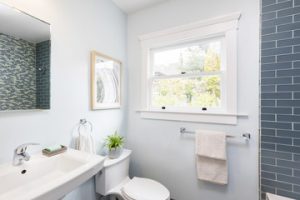
Transforming Spaces: The New Era of Bathroom Remodelling

A bathroom remodel can change the way a home feels. It is more than just updating tiles or replacing fixtures. It is about transforming a functional space into a sanctuary of comfort, style, and purpose. The process combines creativity, design, and practicality to create something truly special.

Bathroom Remodelling

Modern bathroom remodelling goes beyond aesthetic upgrades. It reflects changing lifestyles, evolving technology, and new ideas about personal wellness. Today’s bathrooms are designed to offer more than hygiene; they are spaces for relaxation and renewal. The transformation often begins with reimagining what the room could be.

Designers now approach bathroom projects with a balance of utility and emotion. Every detail is carefully chosen to support daily routines while enhancing comfort. Layouts are planned to maximize movement, storage, and convenience. The result is a space that feels effortless to use and soothing to be in.

The use of space is a crucial consideration in any remodel. Even small bathrooms can be turned into functional retreats with clever planning. Wall-mounted fixtures, floating vanities, and hidden storage make the most of limited square footage. The focus is on creating a sense of openness and flow.

Material choice has evolved significantly in recent years. Homeowners now seek surfaces that are not only durable but also expressive. Textures, finishes, and colors are selected to evoke specific moods, from serene spa-like calm to bold contemporary energy. The right materials set the tone for the entire space.

Lighting plays a transformative role in bathroom design. It shapes how the space feels and functions at different times of day. Layered lighting strategies combine ambient, task, and accent light to create flexibility and drama. Smart lighting systems even allow users to personalize brightness and color temperature.

Technology has also become a central part of bathroom remodelling. Smart mirrors, touchless faucets, and digital shower systems bring convenience and sophistication. These innovations make daily routines easier while conserving energy and water. The integration of tech turns the bathroom into a space that adapts to its users.

Another growing trend is the focus on wellness. Designers now treat bathrooms as personal retreats for relaxation and recovery. Soaking tubs, steam showers, and aromatherapy systems turn the room into a spa-like experience. The emphasis on wellness transforms the bathroom from a utility space into a restorative escape.

Sustainability is shaping many design decisions. Water-efficient fixtures, recycled materials, and energy-saving systems are becoming standard. Eco-conscious designs not only reduce environmental impact but also lower long-term costs. A remodel is an opportunity to create a greener, more responsible space.

Functionality remains at the heart of every successful remodel. Storage solutions are tailored to the specific needs of the household. Built-in niches, concealed cabinets, and multi-purpose furniture keep essentials organized without clutter. Thoughtful functionality makes the bathroom more enjoyable to use every day.

The relationship between the bathroom and the rest of the home is also changing. Designers are increasingly focused on creating visual and thematic continuity. Colors, materials, and lighting schemes are chosen to complement other rooms. This cohesion enhances the overall flow and character of the home.

Customization is now a priority in bathroom design. Every household has different habits, preferences, and needs, and remodels reflect that individuality. Some focus on luxury finishes and statement pieces, while others prioritize simplicity and practicality. The space becomes a reflection of personal taste and lifestyle.

Floor plans are evolving too. Open-concept bathrooms, once rare, are now popular in modern homes. They offer a more spacious and immersive experience, often integrating the bathroom with dressing or wellness areas. This shift challenges traditional notions of privacy and functionality.

Textures and patterns are being used more creatively than ever. Designers play with contrasts, layering smooth surfaces with rough finishes or pairing neutral palettes with bold accents. These details add depth and character, turning the bathroom into a visually dynamic space. Even small changes can have a big impact.

Remodelling also provides an opportunity to address underlying issues. Old plumbing, inadequate ventilation, or poor insulation can be corrected during the process. These upgrades improve efficiency, prevent future problems, and enhance comfort. A remodel is as much about what’s behind the walls as what’s in front of them.

Accessibility is another growing priority. Inclusive design ensures that bathrooms are safe and comfortable for people of all ages and abilities. Features like walk-in showers, grab bars, and adjustable fixtures enhance usability without compromising aesthetics. Thoughtful design can make a bathroom welcoming for everyone.

The emotional impact of a remodel should not be underestimated. A well-designed bathroom can elevate daily routines and improve overall quality of life. It offers a sense of calm and control that resonates beyond the space itself. That psychological benefit is one reason homeowners invest so much in these projects.

Budget considerations remain important, but creativity can stretch every dollar. Prioritizing key upgrades, choosing timeless materials, and mixing high-end features with cost-effective solutions can produce stunning results. Even modest remodels can dramatically improve the look and feel of a bathroom. The goal is always value that lasts.

Collaboration between professionals and homeowners is key to success. Designers, contractors, and installers work together to translate visions into reality. Clear communication ensures that ideas are executed precisely and efficiently. The result is a seamless transformation from concept to completion.

Trends in bathroom remodelling continue to evolve, influenced by technology, sustainability, and lifestyle changes. Yet at its core, the purpose remains the same: to create a space that supports daily life while providing comfort and beauty. It is about shaping an environment where people feel refreshed and renewed.

Looking ahead, the future of bathroom design will likely focus on personalization and adaptability. Spaces will be more responsive, with technology and design working together to anticipate user needs. Sustainability will remain a guiding principle, shaping everything from material choices to water management. Innovation will define the next chapter.

A bathroom remodel is not just a renovation — it’s a reinvention. It is the chance to turn a basic space into a personal sanctuary, a statement of style, and a reflection of values. The process requires vision, planning, and craftsmanship, but the results can transform everyday life. It is one of the most impactful investments a homeowner can make.

In the end, the true success of a remodel is measured not just by how it looks, but by how it feels. A beautifully designed bathroom becomes a daily source of comfort, a place to unwind and recharge. It enhances the home’s value, but more importantly, it enriches the lives of those who use it. And as design possibilities continue to expand, so too will the potential of what a bathroom can be.

Bathroom remodelling is more than a trend — it is an evolution of how we live and care for ourselves. It merges technology, sustainability, and design into a deeply personal experience. Each remodel tells a story of transformation, turning a once ordinary space into something extraordinary. And in doing so, it redefines the very essence of home.

Navigation