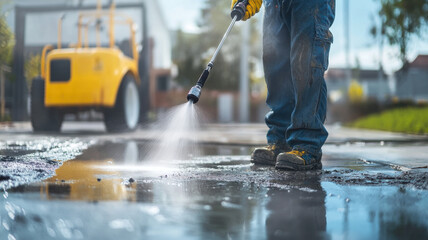
A crack in a driveway, a sinking sidewalk, or a worn concrete patio can leave homeowners wondering what to do next. At first glance, the damage may appear minor, but even small imperfections can raise concerns about safety, appearance, and long-term durability. One of the biggest questions people face is whether repairing the existing concrete is enough or if replacing it entirely is the better investment.
The answer depends on several factors, including the extent of the damage, the age of the concrete, and the goals for the project. Understanding the differences between concrete repair and concrete replacement can help homeowners choose the solution that offers the best balance of cost, performance, and longevity. For more details, contact your local GK General Contractors.
When Is Concrete Repair the Right Choice?
Concrete repair is often the preferred solution when damage is relatively minor and the overall structure remains stable. Small cracks, surface chips, minor spalling, and isolated imperfections can frequently be repaired without removing the entire slab. These types of issues usually affect the appearance or surface condition of the concrete rather than its structural integrity. Addressing minor damage early helps prevent moisture from entering the concrete and causing more significant deterioration over time. In many cases, prompt repairs can extend the life of the existing concrete for many years.
Repair is also a practical option when the underlying base remains solid and the concrete has not shifted significantly. Surface restoration methods can improve both durability and appearance while preserving most of the original installation. Because repairs typically require less labor and fewer materials than full replacement, they often involve lower upfront costs. Homeowners who address damage while it is still limited usually experience fewer long-term maintenance concerns. Repair can therefore be an effective and economical solution when the existing concrete remains fundamentally sound.
What Types of Damage Usually Require Replacement?
Although many concrete problems can be repaired, some situations call for complete replacement instead. Extensive cracking that extends throughout the slab often indicates deeper structural problems that surface repairs alone cannot resolve. Large areas of settlement, severe unevenness, widespread deterioration, or repeated cracking may suggest that the supporting base beneath the concrete has failed. When the foundation supporting the slab is no longer stable, replacing the concrete may provide a more dependable long-term solution. Ignoring these conditions often leads to recurring repairs without fully correcting the underlying issue.
Concrete replacement may also be necessary when the existing slab has reached the end of its service life. Older concrete that has experienced decades of weather exposure, heavy traffic, and repeated freeze and thaw cycles may simply no longer perform as intended. In these cases, replacing the slab allows the installation to begin with a properly prepared base, updated reinforcement, and modern construction techniques. Although replacement generally requires a greater initial investment, it often provides improved durability and performance for the future. Choosing replacement in the appropriate situation can prevent repeated repair expenses over time.
How Does Cost Compare Between Repair and Replacement?
Cost is often one of the first factors homeowners consider when evaluating concrete projects. In general, repairing concrete costs less than replacing it because fewer materials, less demolition, and reduced labor are typically involved. Minor repairs can often be completed more quickly while minimizing disruption to the surrounding property. This makes repair an attractive option for homeowners seeking an affordable solution when damage is limited. However, lower initial cost does not always mean lower long-term expense.
Replacement usually involves removing the existing concrete, preparing the base, installing reinforcement when necessary, pouring new concrete, and allowing adequate curing time before use. These additional steps naturally increase the overall project cost. However, replacement may eliminate recurring maintenance issues that would otherwise require repeated repairs over several years. Homeowners should compare not only the immediate cost but also the expected lifespan of each solution. Considering long-term value rather than only the initial investment often leads to better decision making.
How Does Structural Integrity Affect the Decision?
One of the most important considerations when deciding between repair and replacement is the structural condition of the existing concrete. Surface damage alone does not necessarily indicate structural failure. Hairline cracks, minor chips, or isolated cosmetic imperfections may have little impact on the overall strength of the slab. In these situations, repairs can restore appearance while maintaining safe performance. A careful evaluation of the concrete’s condition helps determine whether the damage is primarily cosmetic or structural.
Structural problems become more concerning when large cracks continue widening, sections of concrete shift significantly, or the slab begins sinking unevenly. These issues often suggest movement beneath the concrete that cannot be corrected through simple patching or resurfacing. If the underlying soil or base has become unstable, repairs may only provide temporary improvement. Replacement allows the supporting foundation to be corrected before new concrete is installed. Ensuring structural stability remains one of the most important factors in choosing the appropriate solution.
What Are the Long-Term Benefits of Each Option?
Concrete repair offers several long-term advantages when performed under the right conditions. By addressing damage early, homeowners can prevent small problems from becoming much larger ones. Repair also preserves existing concrete, reducing waste while extending the usable life of the installation. In many cases, maintaining original concrete through timely repairs provides years of additional service without the need for complete replacement. This approach is particularly beneficial when the slab remains structurally sound and only limited deterioration has occurred.
Concrete replacement, on the other hand, provides the opportunity to start with an entirely new installation. New concrete allows for improved base preparation, modern reinforcement methods, and updated finishing techniques that enhance durability. Replacement also offers greater flexibility for redesigning layouts, improving drainage, or incorporating decorative finishes. While the upfront investment is higher, homeowners often benefit from reduced maintenance and greater confidence in the long-term performance of the new slab. Both options offer value when selected for the appropriate situation.
How Do Appearance and Property Value Influence the Choice?
The appearance of concrete surfaces contributes significantly to the overall impression of a property. Cracked, uneven, or stained concrete may reduce curb appeal even if the damage is relatively minor. Repair can often improve appearance by filling cracks, restoring damaged surfaces, and creating a cleaner, more uniform finish. When repairs blend well with the surrounding concrete, homeowners can enhance visual appeal without undertaking complete replacement. Maintaining attractive concrete surfaces supports both functionality and property presentation.
In situations where damage is widespread or repairs would remain highly visible, replacement may produce a more consistent and attractive result. A new slab provides a uniform color, texture, and finish that can significantly improve the property’s overall appearance. Homeowners may also choose replacement when updating outdoor living spaces or improving the design of driveways, patios, or walkways. Attractive concrete surfaces often contribute positively to perceived property value while creating a more enjoyable environment. Appearance therefore becomes an important factor alongside structural considerations.
What Should Homeowners Consider Before Making a Decision?
Choosing between repair and replacement requires evaluating several factors together rather than focusing on only one consideration. The age of the concrete, the extent of the damage, the stability of the supporting base, anticipated future use, and overall project goals all influence the best course of action. Homeowners should also consider whether the existing concrete has experienced repeated repairs that have failed to provide lasting results. A careful assessment of these factors helps determine which option offers the greatest long-term value.
It is equally important to think about future maintenance expectations. Some repairs may require periodic attention if the underlying causes of damage remain present. Replacement may involve a larger initial investment, but it can reduce maintenance needs over many years when installed properly. Every property is unique, and the best solution depends on the specific condition of the concrete rather than a single universal rule. Taking the time to evaluate the situation carefully leads to more informed and confident decisions.
Final Thoughts
Deciding between concrete repair and concrete replacement depends on the condition of the existing concrete, the extent of the damage, and the long-term goals for the property. Minor cracks, surface deterioration, and isolated cosmetic issues can often be repaired successfully, extending the life of the concrete while minimizing costs. More extensive structural damage, severe settlement, or aging slabs may benefit from complete replacement to provide greater durability and long-term performance. By considering structural integrity, appearance, cost, and future maintenance needs, homeowners can choose the solution that best fits their circumstances. Whether repairing or replacing, addressing concrete problems promptly helps protect both the property’s value and its long-term functionality.
